

Mitophilix

Rewiring Cancer's Power Source.

We are opening a new frontier in oncology by targeting the metabolic dependencies of aggressive, treatment-resistant cancers such as PDAC, NSCLC, melanoma, and hematologic malignancies.

Changing the Odds

Changing the Odds for Patients with Lethal Cancers

Mitophilix mobilizes mitochondrial metabolism to outsmart aggressive tumors. We combine precision biomarkers with selective small molecules to convert undruggable biology into patient-ready medicines. The advantages of our approach include:

checkOvercoming Chemotherapy Resistance

checkSolving the Toxicity Problem of Prior Metabolic Drugs

checkExpanding Beyond Narrow Precision Oncology

checkEnabling True Combination Therapy

checkOral Administration with Outpatient Convenience

checkBiomarker-Guided Precision Without Narrow Eligibility

checkFaster Clinical Execution and Higher Probability of Success

checkBroad Oncology Platform Potential

Patient Journey
Mitophilix Pipeline Development

Our Pipeline

Forging a New Path in Mitochondrial Medicine

At Mitophilix, our pipeline is a testament to our unwavering commitment to patients. We are systematically advancing a portfolio of first-in-class therapies designed to rewire the metabolic circuitry of mitochondria-addicted cancers. Our focused approach targets the most aggressive and treatment-resistant tumors, starting with our lead program in pancreatic cancer. By translating our deep understanding of mitochondrial biology into clinical reality, we aim to deliver transformative medicines that offer new hope where none existed before.

Contact Us

For partnership inquiries, please reach out to our business development team.

Science Innovation

Cracking The Metabolic Barrier In Cancer.

INNOVATION

warningThe Challenge add

PDAC and other aggressive tumors reprogram metabolism to survive hypoxia and scarcity, leaning on oxidative phosphorylation (OXPHOS) for ATP, redox balance, and biosynthetic fuel.

The roster of OXPHOS-reliant cancers spans PDAC, NSCLC, melanoma, colorectal cancer, lymphomas and hematologic malignancies, metastatic or stem-like tumors, and solid tumors with metabolic plasticity.

Earlier Complex I candidates hinted at efficacy but were limited by systemic toxicity, low solubility, and narrow therapeutic index—leaving the pathway clinically underexploited.

auto_awesomeOur Solution add

Mitophilix engineered >100 potent, orally active Complex I inhibitors (targeting the NDUFS7 subunit) that dock within the NDUFS2/NDUFS7 ubiquinone pocket to interrupt OXPHOS precisely where tumors are addicted.

Lead molecule AGB374 selectively shuts down mitochondrial ATP production, depriving cancer cells of energy and biosynthetic precursors while sparing healthy tissues that default to glycolysis.

This targeted mechanism combats intrinsic resistance, prevents recurrence, and delivers a safe, translatable therapeutic profile ready for IND-bound programs.

Cancers Fueled By OXPHOS

PDAC NSCLC Melanoma Colorectal Lymphomas Stem-like Other Solid Tumors

Highlighted focus areas span metastatic, chemoresistant, and stem-like niches where mitochondrial dependency is most pronounced.

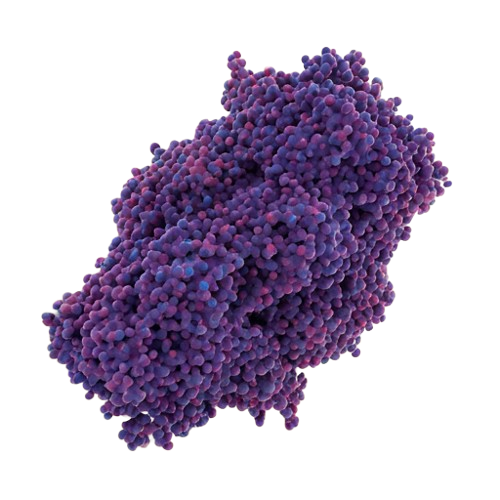
Mitochondrial targeting map 2
1

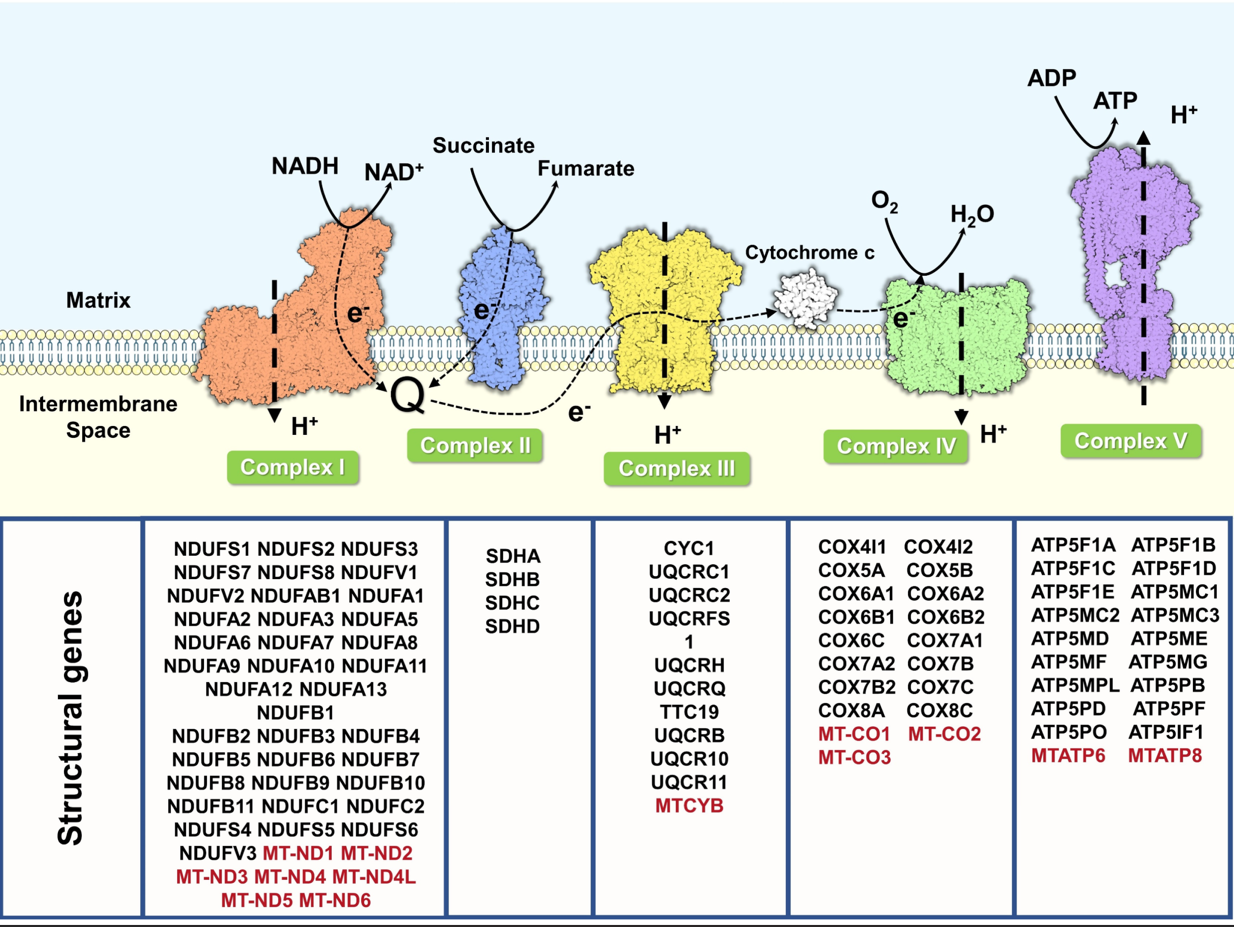
Mitochondrial OXPHOS

The cell's main energy-generating process: electrons from NADH and FADH2 move through the electron transport chain to drive proton pumping across the inner mitochondrial membrane, creating the electrochemical gradient that powers ATP synthesis.

2

Complex I & NDUFS7

Entry point for NADH-derived electrons into OXPHOS, essential for coupling electron transfer to proton translocation. The NDUFS7 subunit sits near the ubiquinone-binding region, mediating electron flow for efficient respiration.

3

Therapeutic Target

Inhibiting NDUFS7 disrupts tumor bioenergetics at its source — reducing ATP production, increasing metabolic stress, and sensitizing OXPHOS-dependent cancer cells to therapy.

Mitochondrial targeting map 3
1

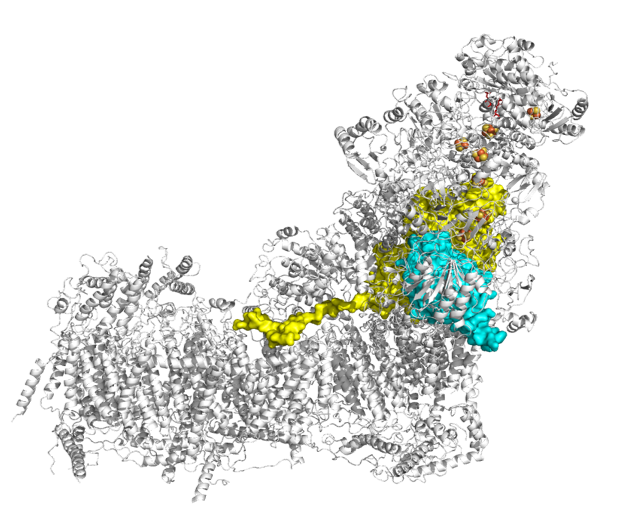
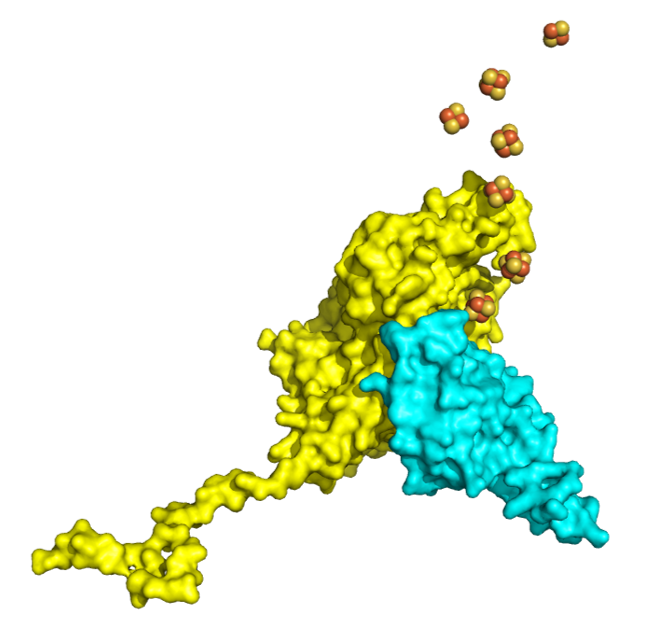
Complex I Full Structure

Full structure of mitochondrial Complex I (NADH:ubiquinone oxidoreductase), the first enzyme of the electron transport chain, embedded in the inner mitochondrial membrane and responsible for coupling electron transfer to proton pumping.

2

NDUFS7 Core Region

The NDUFS7-containing core area near the ubiquinone-binding site — a functionally critical region supporting electron transfer within Complex I and a strategic target for inhibiting OXPHOS-dependent tumor metabolism.

3

NDUFS2 Redox Core

The NDUFS2-containing core of Complex I, where electron transfer occurs from NADH toward ubiquinone — housing the redox-active machinery essential for OXPHOS function.

Mitochondrial targeting map 4
1

Ubiquinone-Reduction Core

NDUFS2 and NDUFS7 together form the core of the ubiquinone-reduction region in Complex I. The quinone-binding site sits in a cleft at their interface, where electrons arriving through the iron-sulfur relay are transferred to ubiquinone.

2

NDUFS2 Catalytic Role

NDUFS2 helps position the quinone headgroup for catalysis. Its conserved residues are implicated in binding and reducing ubiquinone, making it a key contributor to electron transfer within Complex I.

3

Pharmacologic Hotspot

The NDUFS2–NDUFS7 interface is a control hotspot for both normal respiration and pharmacologic inhibition — a prime site for therapeutic targeting of OXPHOS-dependent tumors.

Mitochondrial targeting map 5
1

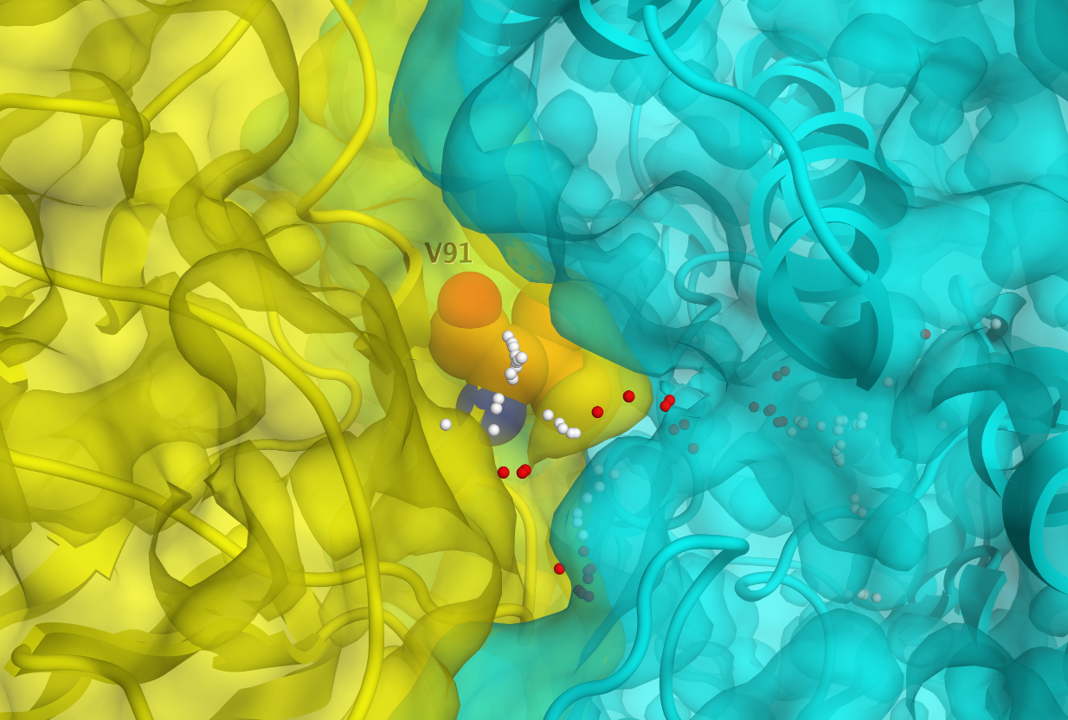
Valine 91 — Strategic Position

Valine 91 is a strategically positioned residue in NDUFS7 at the NDUFS2–NDUFS7 interface, within the catalytic region of Complex I where ubiquinone is reduced — placing it in the same functional hotspot that links the terminal electron-transfer machinery to the quinone-binding pocket.

2

Valine 91 — Drug Resistance

In the DX2-201 study, a V91M mutation in NDUFS7 was identified in resistant clones. This mutation was sufficient to overcome Complex I inhibition by DX2-201, directly implicating V91 in the inhibitor's mechanism of action.

Interactive Insight

Autoplay fades through targets; click a marker to pause and read, then click again or outside to resume.

Partner With Mitophilix

Building the Future of Mitochondrial Oncology

We invite partners who believe metabolic rewiring unlocks durable cancer control. Align with a team ready for scientific, clinical, and capital collaboration.

Partnership Modalities

  • co_present

    Clinical Development Alliances

    Co-design adaptive trials in PDAC, NSCLC, and melanoma with metabolomic biomarker overlays.

  • diversity_1

    Mission-Aligned Capital

    Fuel IND-to-Phase II advancement for first-in-class OXPHOS inhibitors and companion diagnostics.

  • hub

    Platform Collaborations

    Pair our chemistry engine with RNA, ADC, or AI modalities to unlock metabolic combination programs.

Partnership

Join us in our mission to give patients a new lease on life.