Pancreatic Ductal Adenocarcinoma (PDAC)
Hypoxic tumor microenvironment drives OXPHOS dependency.

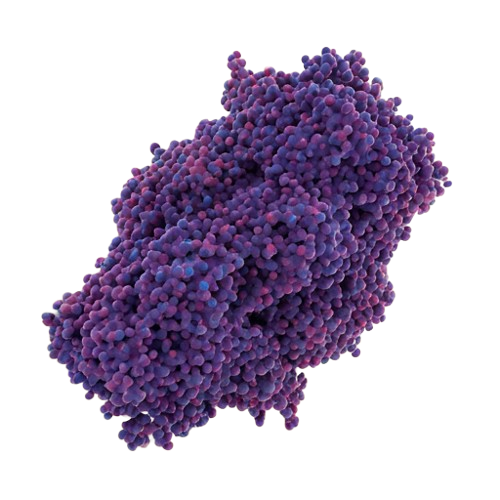
We translate Complex I biology into selective therapeutics that collapse tumor energetics.
Science at a glance
INNOVATION
PDAC and several other aggressive cancers are driven by metabolic reprogramming, which enables tumors to thrive in hypoxic and nutrient-deprived environments. These cancers rely heavily on oxidative phosphorylation (OXPHOS) — the mitochondria's core energy production pathway — for ATP generation, redox balance, and biosynthesis.
Despite decades of research, no approved therapies effectively target this pathway. Earlier clinical candidates demonstrated proof-of-concept but were hindered by systemic toxicity, low solubility, and limited therapeutic index, restricting their utility in solid tumors like PDAC. This unmet need underscores the urgent requirement for a new class of mitochondrial-targeted therapeutics that are both selective and safe.
The list of cancers that rely on OXPHOS is large and spans multiple tumor types with distinct metabolic vulnerabilities.
Hypoxic tumor microenvironment drives OXPHOS dependency.
Metabolic plasticity enables survival in low-oxygen niches.
Reliance on mitochondrial respiration for metastatic potential.
OXPHOS fuels tumor progression and chemoresistance.
Complex I activity sustains lymphoid tumor metabolism.
Cancer stem cells depend on OXPHOS for survival and recurrence.
Mitophilix has developed >100 potent, orally active Complex I (NDUFS7 subunit) inhibitors that disrupt the OXPHOS pathway at its most critical node — the ubiquinone-binding site between NDUFS2 and NDUFS7. By selectively impeding mitochondrial ATP production, AGB374 deprives cancer cells of energy and biosynthetic precursors, effectively halting their growth and metastatic potential while sparing normal cells that can generate ATP by glycolysis.
This targeted mechanism represents a paradigm shift in cancer metabolism, addressing both intrinsic resistance and tumor recurrence while offering a safe, translatable therapeutic profile.
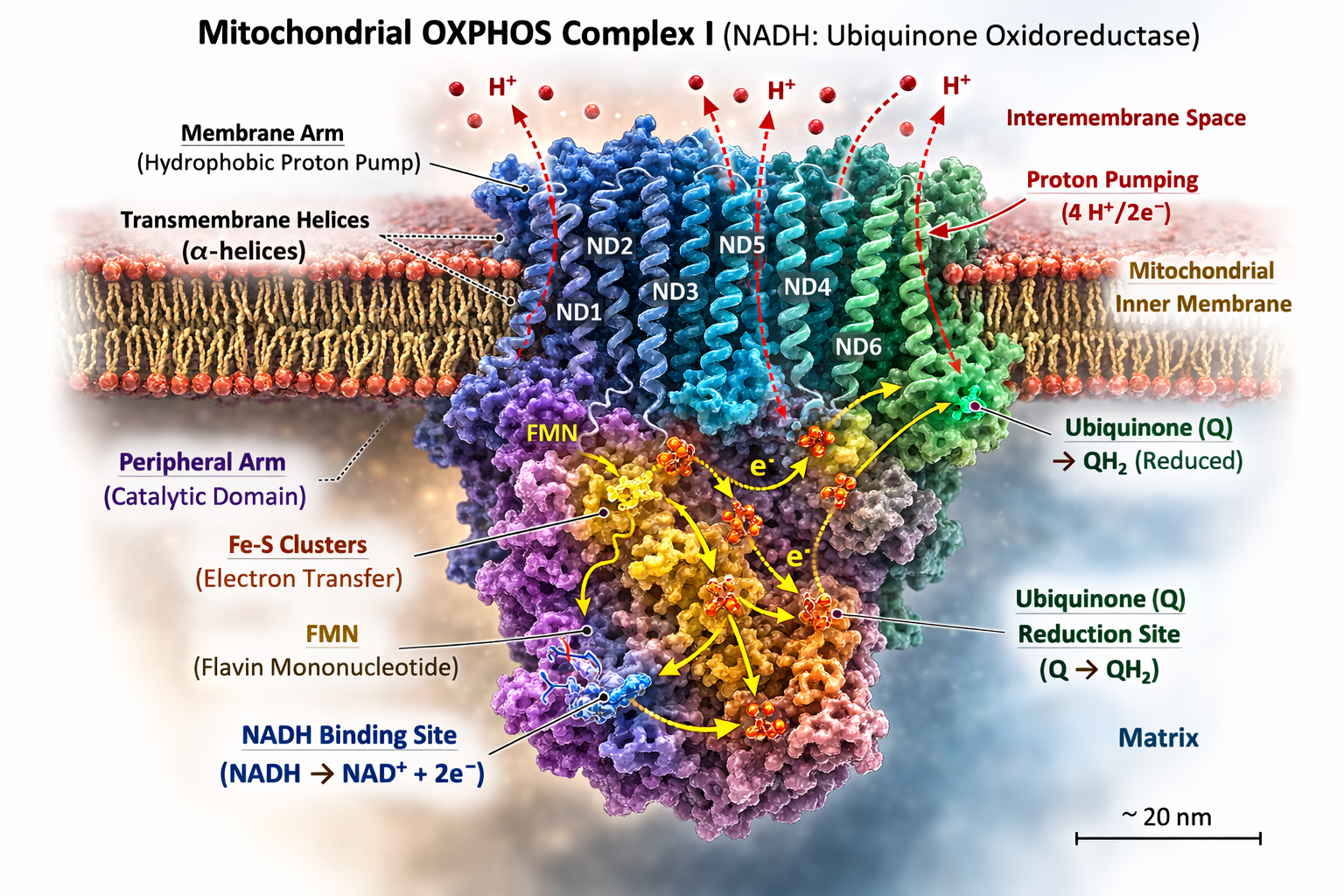
Challenges and Mitophilix Solutions
Challenge
Cancer cells adapt to chemotherapy by rewiring their metabolism toward OXPHOS.
Mitophilix Solution
Our compounds target metabolic escape routes, disabling the mitochondrial machinery that supports resistant and dormant tumor populations.
Challenge
Prior Complex I inhibitors caused systemic side effects due to nonselective binding.
Mitophilix Solution
NDUFS7-selective inhibition ensures tumor-specific action, minimizing off-target mitochondrial disruption and expanding the therapeutic window.
Challenge
CSCs sustain relapse and metastasis, driven by mitochondrial energy pathways.
Mitophilix Solution
Our compounds eliminate CSCs by exploiting their dependency on OXPHOS, thereby reducing recurrence and extending remission.
Challenge
Gemcitabine/nab-paclitaxel regimens extend survival only modestly.
Mitophilix Solution
Our compounds synergize with FDA approved chemotherapies, reducing tumor volume by >50% at subtherapeutic doses.
Challenge
Most OXPHOS inhibitors show activity in only select tumor types.
Mitophilix Solution
Our compounds demonstrate cross-cancer efficacy in PDAC, colorectal cancer, NSCLC, and hematologic malignancies, underscoring broad translational value.
~64,000 new cases annually in the U.S.
<13% five-year survival rate
By submitting this form you consent to Mitophilix storing and processing your personal data for ongoing collaboration.